How to Choose a VRF Supplier for a Commercial HVAC Project
A twelve-point audit for MEP consultants, contractors, developers, procurement teams, and distributors — covering project selection reports, factory QA, certification, controls, commissioning, spares, and warranty.
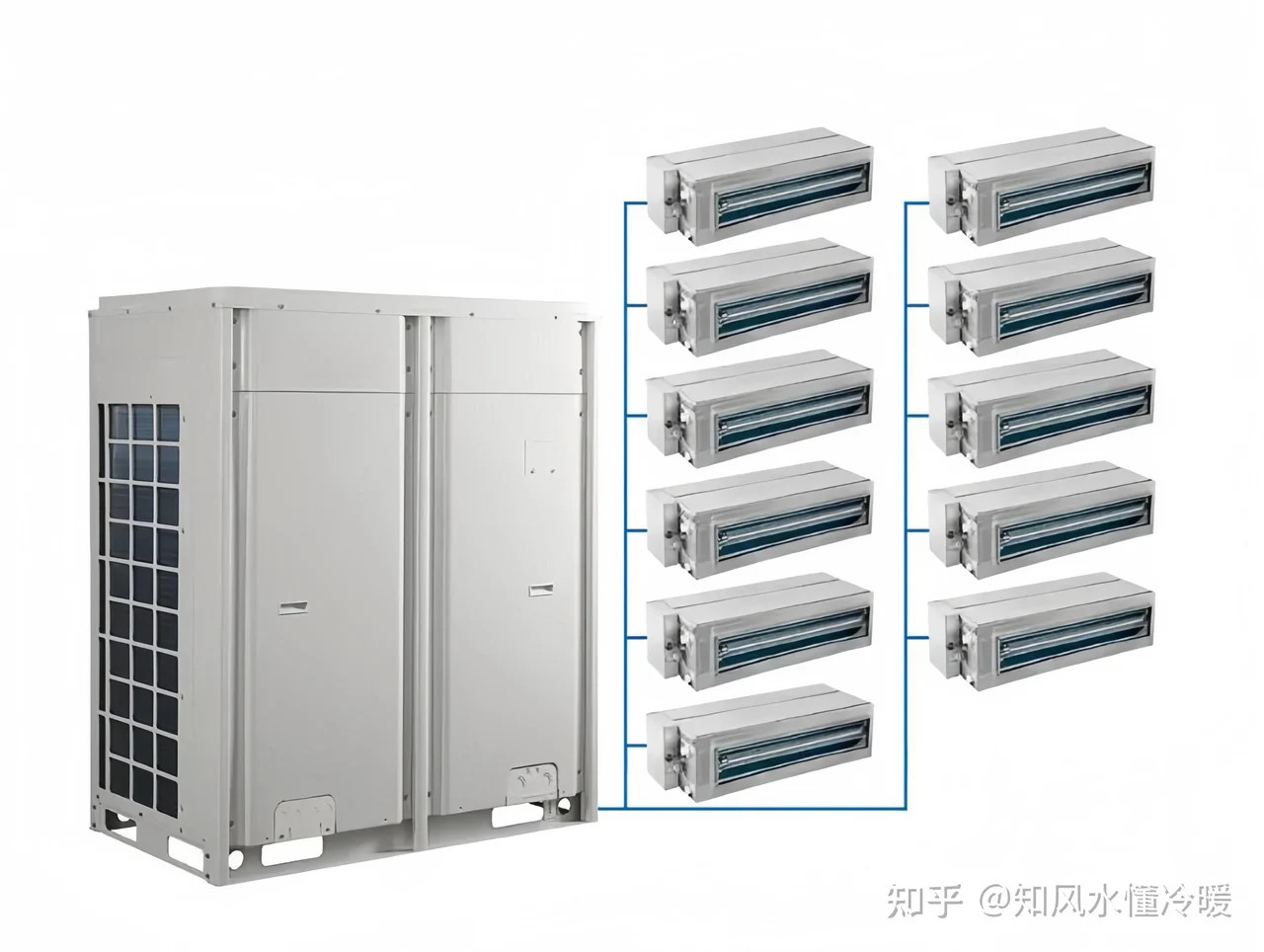
A good VRF supplier does more than send a catalogue and a price. The supplier must turn your load schedule and building constraints into a valid equipment combination, prove what will be manufactured, coordinate controls and documentation, protect the shipment, and support commissioning and warranty service after delivery.
We recommend rejecting any bidder that fails a critical gate for project selection, entity proof, delivery records, or lifecycle support. A reliable way to compare suppliers is to ask every bidder for the same evidence package. Rate four separate risks: application fit, product evidence, delivery execution, and lifecycle support. If a bidder cannot substantiate one of those areas, a low equipment price does not make the commercial risk disappear.
This guide gives owners, consultants, contractors, procurement teams, and distributors a practical twelve-point checklist for choosing a VRF supplier, matched with real evaluation evidence from SongXin HVAC’s own quality control and documentation & certifications process.
A VRF supplier passes the first screening only when four things are proven
A valid project selection, traceable product evidence, controlled delivery documents, and named lifecycle support — together, not separately.
- Nominal catalogue capacity is not project capacity. Temperature, piping, elevation, and combination corrections can reduce available output because the system operates away from its rating condition.
- A certificate image is not enough. The legal entity, issuing body, scope, status, site, model coverage, and destination relevance must align.
- Uncontrolled substitutions increase commissioning risk because a changed controller, valve, sensor, firmware, or refrigerant can invalidate drawings and software selections.
- Compare total evaluated cost only after every bidder has the same equipment, controls, logistics, commissioning, warranty, and spare-parts scope.
- Treat an unresolved capacity, compliance, entity, or warranty gap as a stop condition — not as a minor scoring deduction.
What should a qualified VRF supplier provide?
Before a commercial decision, require six evidence packets:
- A project-specific selection report tied to your loads, pipe routes, and design temperatures.
- Independently verifiable company and product credentials.
- A factory quality plan and inspection record format.
- A complete submittal and controls package.
- A named commissioning, warranty, and spare-parts plan.
- A responsibility matrix covering the manufacturer, exporter, local installer, controls contractor, and service provider.
Do not accept a general brochure as a substitute. Published product limits are a first-pass shortlist tool — they do not prove the proposed combination at the project’s design temperature, pipe length, elevation, connected-capacity ratio, power supply, and control sequence.
VRF product capability vs. VRF supplier capability
Can the VRF system meet the application? This requires model-specific engineering evidence. The file should cover corrected capacity, allowable combinations, piping rules, operating range, and sound data — plus refrigerant charge, electrical demand, ventilation, and controls.
Supplier execution needs a controlled order file covering configuration, manufacturing, inspection, documents, and export, and it should name the commissioning, warranty, and parts owners.
A strong product sold through a weak delivery chain creates delays and disputes. Conversely, an organized supplier cannot make an unsuitable product fit the building. Score both dimensions independently before comparing price. SongXin HVAC structures this separation across its VRF systems portfolio and its product selection support service.
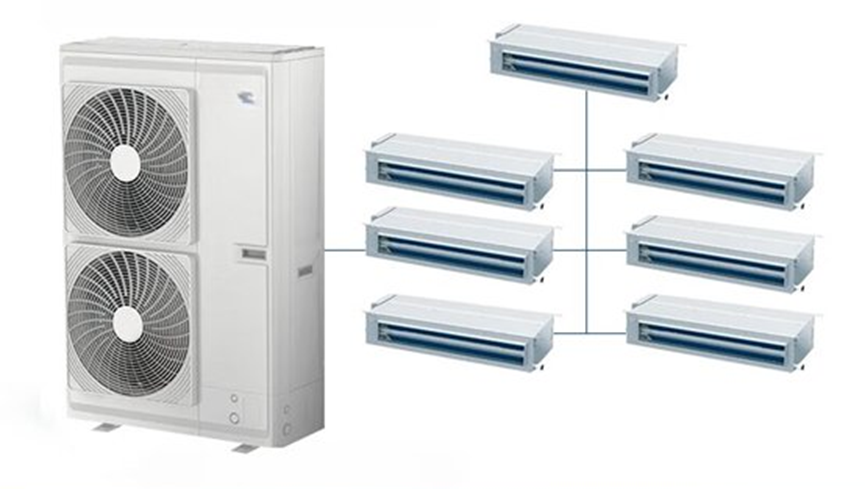
Model-specific engineering data — not brochure capacity — should drive every combination decision.
Published limits as a screening tool — not a brand ranking
Official manufacturers publish different connection limits for different product families. The examples below are deliberately not a like-for-like performance comparison. They show why a buyer needs the exact series, combination table, and software selection report.
| Published example | Quantified limit | What the buyer should verify | Official source |
|---|---|---|---|
| Carrier commercial VRF portfolio | Up to 64 indoor units on a single system | Exact outdoor-unit family, allowable indoor-unit mix, connected-capacity rule, and software selection output | Carrier commercial VRF |
| GREE GMV product families | GMV5/GMV6: up to 80 indoor units; Ultra Heat: up to 17 | The limit for the proposed series — not a brand-wide maximum — plus temperature and piping corrections | GREE contractor guide |
| Mitsubishi Electric commercial VRF | Up to 50 indoor units per outdoor unit | Applicable system type, combination rules, controls architecture, and design-condition capacity | Mitsubishi Electric VRF overview |
The same principle applies to capacity, efficiency, ambient range, piping, elevation, sound, and refrigerant charge. Put every quote on a common project basis before calculating total cost. For a structured comparison of VRF against DX, packaged, or heat-recovery paths, see SongXin HVAC’s product selection support.
The twelve-point VRF supplier evaluation checklist
Use one design basis, one compliance schedule, and staged gates for every bidder — so the comparison is genuinely apples-to-apples.
Freeze the project design basis before requesting prices
Give every bidder the same input set: room-by-room loads, outdoor design temperatures and altitude, simultaneous heating/cooling requirements, indoor-unit types, pipe routes and elevation differences, power supply, BMS protocol, destination documentation needs, and phasing dates.
If bidders make different assumptions, their prices are not comparable. Issue a written clarification log and require deviations to be listed explicitly.
Demand a project-specific selection report
The selection report should identify every outdoor and indoor unit, show the connected ratio, corrected capacity, pipe and elevation effects, and electrical input, and list branch parts, controllers, and software warnings.
For heat-recovery systems, the report should explain the assumed diversity and branch-controller arrangement. Reject a submission based only on nominal model capacities.
Validate product certification at the model or combination level
Do not rely on a certificate image pasted into a quotation. Record the issuing body, scope, status, covered models, test standard, and destination-market relevance.
The AHRI certification directory supports checking ratings listed in the applicable certification program where an applicable program exists. AHRI Standard 1230-2026 covers air-cooled VRF equipment at or above 65,000 Btu/h (about 19.05 kW) with a standard cooling rating condition of about 26.7°C indoor dry bulb and 35°C outdoor dry bulb. For management-system certificates, remember that ISO does not issue certificates — validate through the issuing body, accreditation body, or IAF CertSearch.
Audit the legal entity and supply chain
Map the parties before you audit the factory: who owns the design and brand, who manufactures each component, who signs the contract, who exports the goods, who holds the certificates, and who carries warranty obligations in the destination country.
Names that sound similar are not enough. Match the registration, factory address, bank beneficiary, pro forma invoice, and certificate holder. Record every difference and obtain a written explanation.
Use a risk-based factory audit
An audit should follow the order through the plant, not stop at a showroom. Trace incoming control of compressors and valves, configuration control against the bill of materials, process control through brazing and vacuum records, nonconformity handling, final release testing, and change control for post-order modifications.
ISO 19011:2026 provides audit-program guidance but no VRF acceptance limits — the purchase order still needs order-specific test criteria. See how SongXin HVAC structures this across quality control and R&D and testing.
Define the inspection and witness plan in the purchase order
State the characteristic, responsible party, stage, acceptance criterion, and delivered record for each hold point: bill-of-materials review, first-unit configuration, leak/pressure/electrical checks, serial-number reconciliation, packaging review, and nonconformity closure.
ISO 10005 offers guidance for structuring the plan, but the acceptance criteria must come from your submittal and purchase order — a generic factory-test label is not a test plan.
Build a document register with approval gates
Create the register before order placement, covering bid comparison, design approval, pre-production, pre-shipment, commissioning, and handover — each with required evidence and a pass/hold decision.
Use one controlled index with revision status and owner. Scattered email attachments are difficult to audit and easy to supersede accidentally.
Normalize technical and commercial scope
VRF quotations exclude different items across bidders. Compare line by line: branch controllers, gateways and licenses, additional refrigerant, power/communication cabling, lifting and installation, initial spares, and freight/duties/inland delivery.
Attach a responsibility matrix to the contract. An excluded task must have another named owner; otherwise it remains a project gap.
Define controls, integration, and data ownership
Ask for the network architecture, device limits, cable rules, addressing, and controller functions. Name the party that supplies gateways, configures them, maps points, and witnesses integration — and who keeps the software, passwords, and final backup.
Test occupied, unoccupied, and simultaneous modes, plus power recovery, alarm routing, and ventilation interlocks.
Define commissioning support — not just installation advice
State whether support is remote or on-site, the notice period, included days, and required deliverables. Require a pre-start checklist covering pipe sizes, pressure test, evacuation, refrigerant charge, and functional tests of every operating mode.
A start-up signature is not the same as performance acceptance — define unresolved-item management and the event that starts the warranty.
Make warranty and spare-parts promises testable
Put the warranty provider, coverage, start/end events, claim process, response route, and critical spare-parts stocking location into the contract.
If a control board, sensor, compressor, or proprietary tool lacks a destination-market supply route, classify the lifecycle response as conditional or reject it.
Score evidence quality and close red flags before award
Use three decision states: Pass (current, traceable, project-specific evidence), Conditional (plausible but incomplete, with a named owner and deadline), and Reject (evidence conflicts or a critical responsibility is excluded).
Do not average away a critical failure. A bidder with an attractive overall score remains unsuitable when the combination is invalid or no party accepts commissioning and warranty responsibility.
From factory floor to export-ready packaging
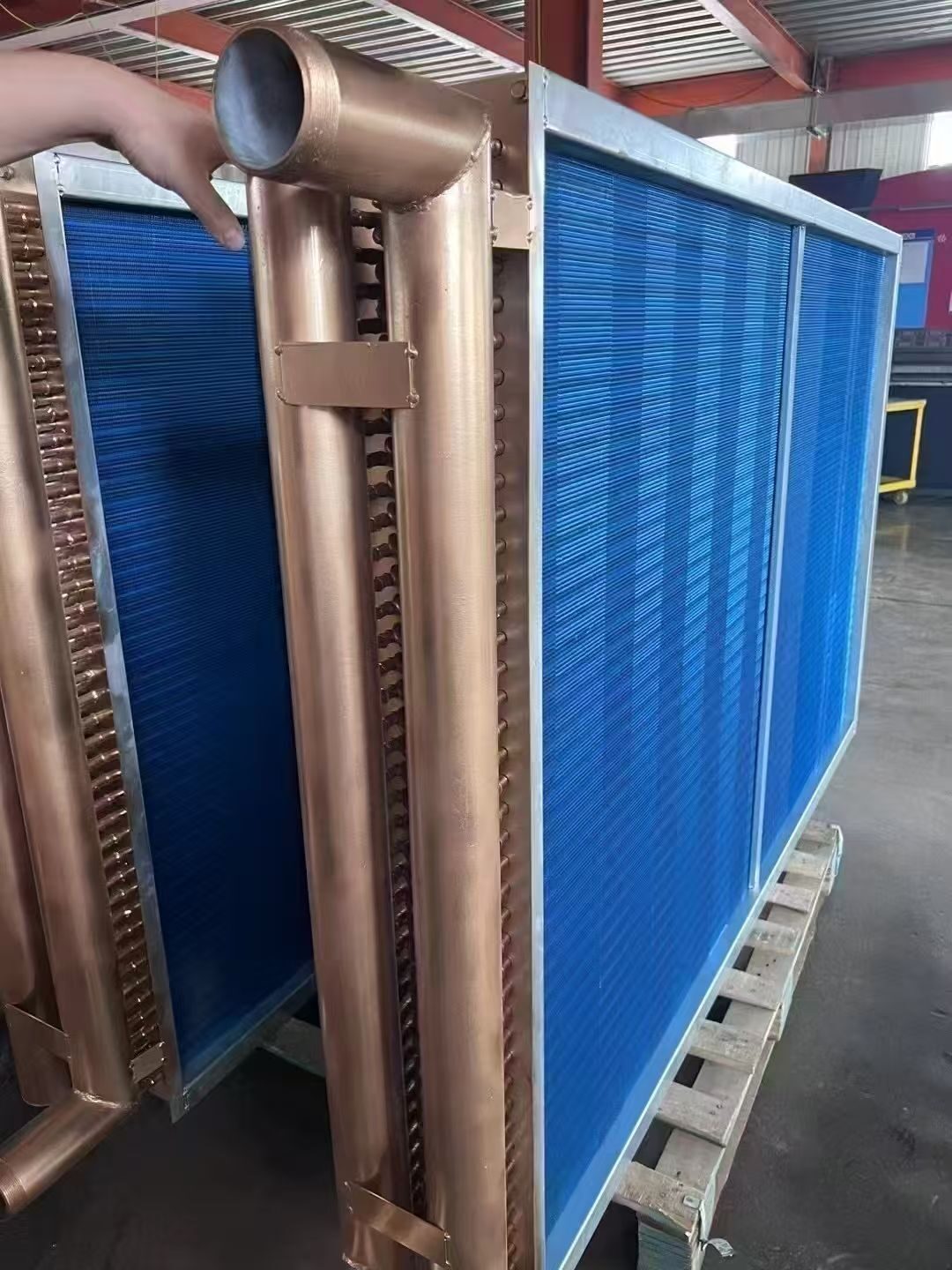
Configuration & Process Control
Component traceability and process records should tie back to one sample serial number per order.
See quality control process →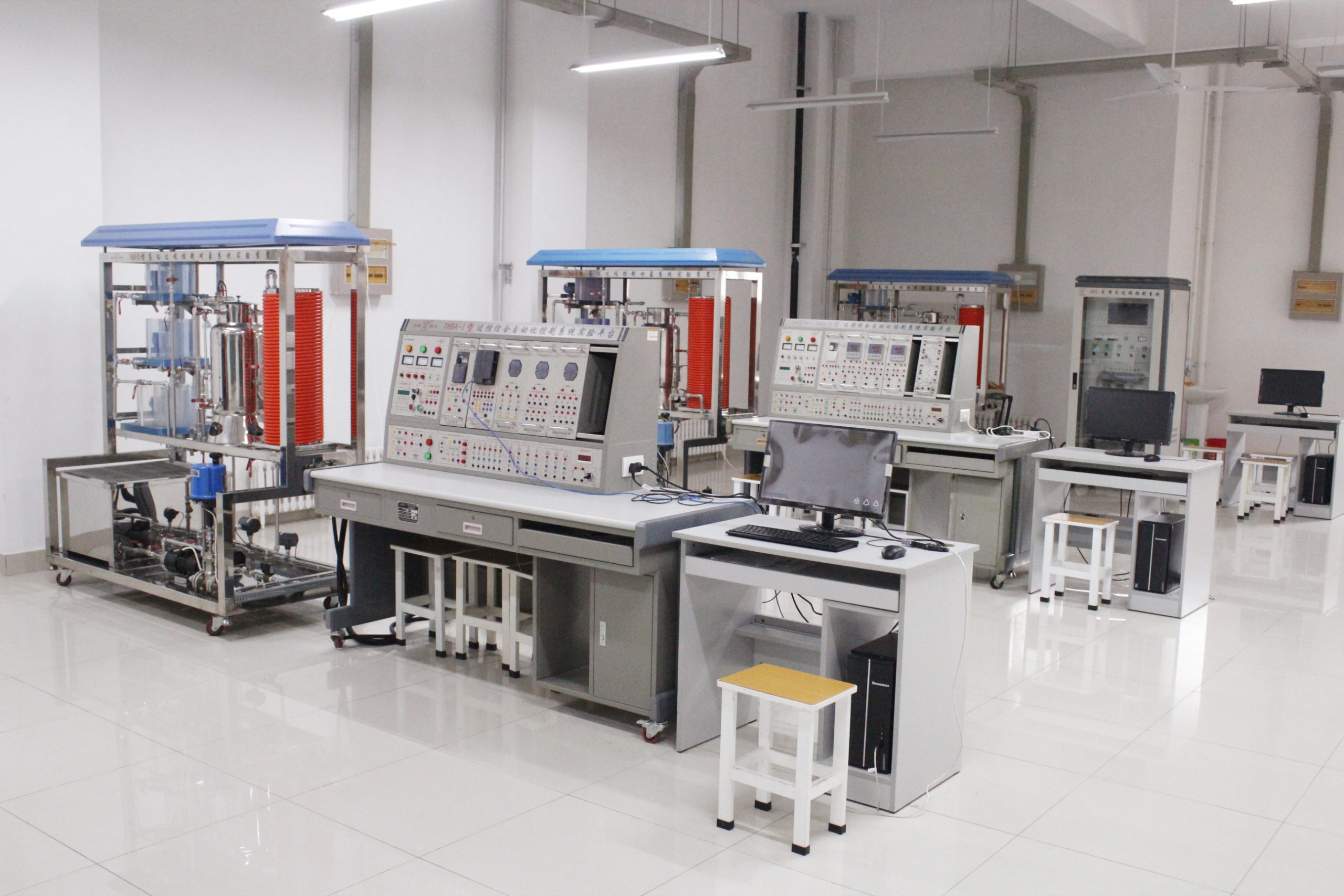
Testing & Verification
Functional, pressure, and electrical-safety tests should be witnessed against agreed acceptance criteria.
See R&D and testing →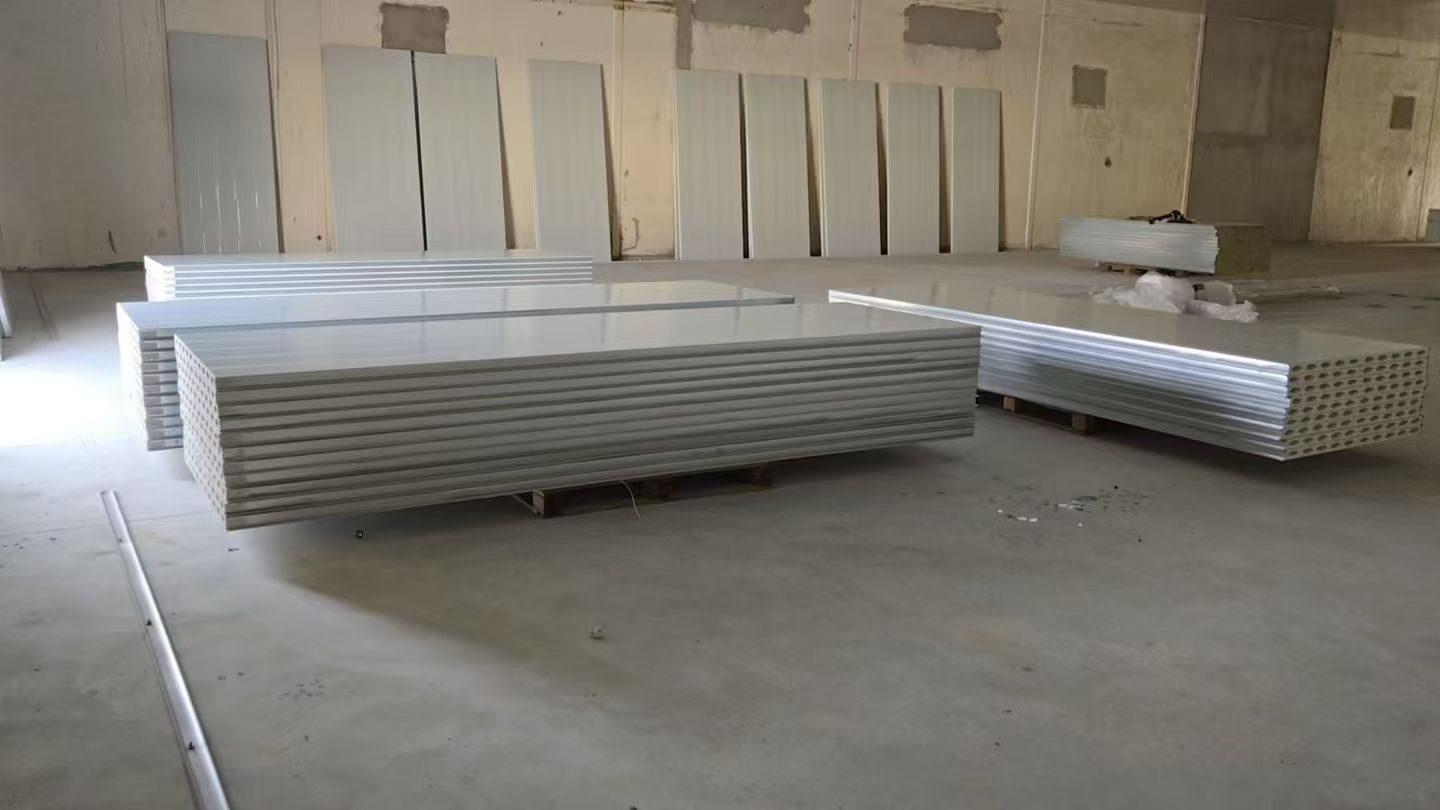
Export Packaging & Delivery
Packaging protection, shipping marks, and loading readiness should be confirmed before release.
See documentation & certifications →Compare evaluated cost, not headline price
An evaluated-cost index exposes exclusions before award. Source: this is an author-created scenario, not market data — replace the assumptions with signed bid values and risk allowances from your project team.
Assume Bid A’s equipment price is the 100% baseline. Controls add 8%, commissioning adds 4%, and initial spares add 3%.
Bid B quotes a higher equipment package at 108% of the same baseline, but includes controls. Commissioning adds 1% and initial spares add 2%.
Bid B starts 8 percentage points higher but finishes 4 percentage points lower on the normalized scope. Rank Bid B ahead on cost only if both bids also pass the capacity, compliance, factory, document, commissioning, and warranty gates. A risk allowance must never disguise a critical technical failure.
Now add service exposure: 8 hours triage + 24 hours diagnosis + 48 hours parts logistics = 80 hours recovery exposure. Use this to compare service plans on stated assumptions — it is not a promise of actual recovery time.VRF supplier decision flow
The award path below keeps price comparison behind the critical technical, entity, factory, documentation, and support gates.
Any “No” branch at any decision diamond returns the bid for clarification or removes it from consideration — never converts automatically into a price adjustment.
Common VRF supplier red flags
Pause the award when any of the following appears in a bid or during factory review.
A complete RFQ package should mirror the document register used at every later approval gate.
What to send a VRF supplier in an RFQ
A useful RFQ starts with the design basis, room loads, equipment schedule, plans, and pipe routes. Add outdoor conditions, electrical needs, ventilation, and controls. Finish with destination requirements, the delivery schedule, and a bidder response template.
Ask the supplier to return the completed compliance schedule, model-by-model selection output, technical submittals, electrical/controls schedules, certification references, manufacturing and inspection plan, document register, packing and logistics plan, commissioning scope, warranty plan, and a completed responsibility matrix.
For an initial configuration discussion, see SongXin’s VRF systems portfolio and product selection support. Discuss documentation requirements through Documentation & Certifications.
A practical evidence ladder for VRF supplier claims
Use the strongest available evidence for each claim — but note that higher is not automatically better for every question.
An accredited management-system certificate documents an assessment within its stated scope — it does not prove the order itself. A project selection report and witnessed inspection are still needed for the equipment you will receive.
Related SongXin HVAC resources for VRF procurement
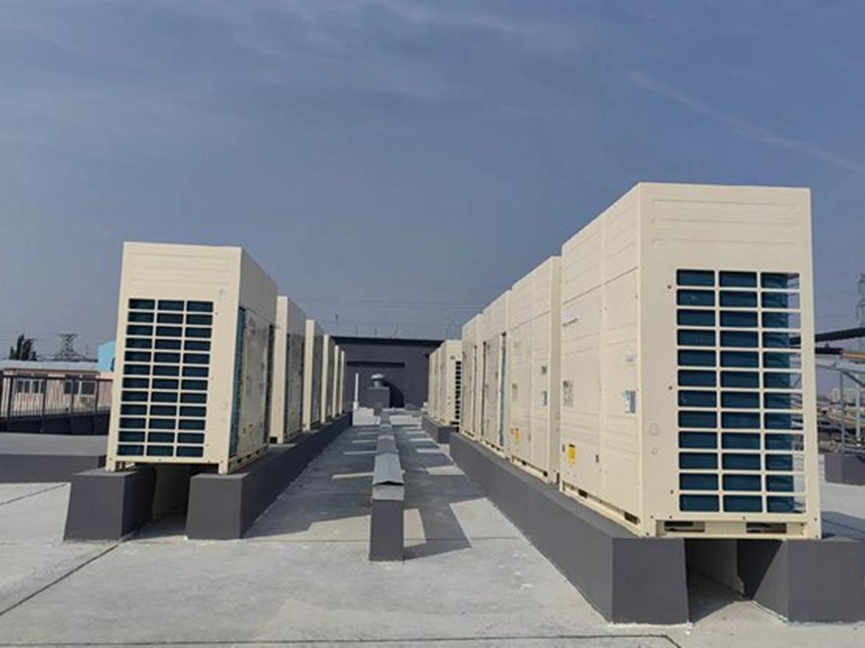
Heat Recovery VRF Systems
For projects with varied zone requirements needing simultaneous heating and cooling.
View Heat Recovery VRF →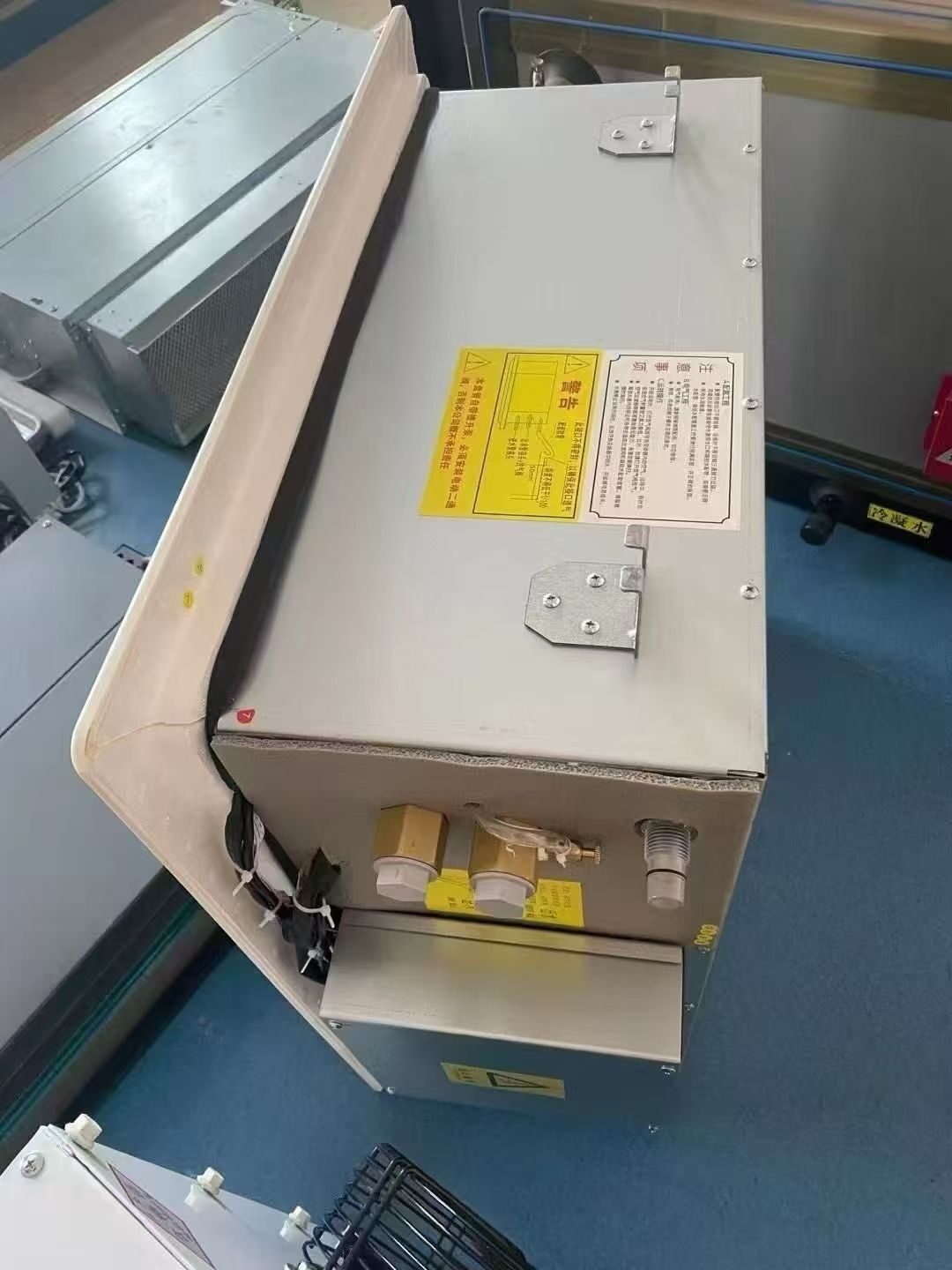
VRF Indoor Units
Compare indoor unit formats for room function, airflow, and ceiling conditions.
View VRF Indoor Units →
Documentation & Certifications
Access product information, technical references, and certification-related support.
View Documentation Support →VRF supplier evaluation FAQ
What is the most important document when comparing VRF suppliers?
The project-specific selection report is the starting point because it ties the proposed models to loads, design temperatures, combinations, piping, and electrical data. It is not sufficient by itself; it must be reconciled with the quotation, drawings, controls scope, certification, inspection plan, and warranty responsibility.
Does ISO 9001 prove a VRF factory is suitable?
No. ISO 9001 concerns a quality management system. Validate the certificate, scope, site, certification body, and accreditation status. Audit the product- and order-specific controls that matter to the project. Certification does not replace selection validation, product compliance, inspection, or commissioning.
Should price alone decide the winning VRF bid?
No. First align the full technical, delivery, and lifecycle scope. Normalize controls, accessories, logistics, and commissioning. Then normalize documents, warranty, parts, exclusions, and residual risks. A smaller equipment subtotal can produce a higher installed or lifecycle cost when critical duties are missing.
What should be witnessed during a VRF factory inspection?
Witness points should follow the agreed inspection plan and product risks: configuration and nameplate checks, critical-part traceability, leak or pressure tests, electrical checks, functional checks, and reconciliation of controllers, accessories, documents, and packaging. Close every nonconformity before release, with methods and acceptance criteria stated in the purchase order.
When should a supplier be rejected?
Reject or suspend the bid when critical product selection cannot be validated or destination compliance is unresolved. Apply the same decision when entities or certificates cannot be validated, substitutions are uncontrolled, or no capable party accepts commissioning and warranty responsibility. Do not convert these failures into a price adjustment without a credible closure plan.
Choosing a VRF supplier is an evidence-management exercise
First prove that the exact system fits the building. Then prove that the organizations in the supply chain can manufacture, document, deliver, commission, and support it. Use one design basis, one compliance schedule, staged document and inspection gates, and a written responsibility matrix. Compare price only after those controls make the bids genuinely comparable.