Data Center HVAC Solutions for Stable Cooling, Environmental Control, and Critical Infrastructure Reliability
The global data center cooling market was valued at USD 19.8 billion in 2024 and is projected to surpass USD 50.9 billion by 2030 — growing at a CAGR of over 17%. That number tells you something important: the facilities running the world's digital infrastructure aren't treating HVAC as an afterthought anymore. They're treating it as mission-critical engineering.
SongXin HVAC delivers data center HVAC solutions purpose-built for environments where temperature stability, airflow management, and operational continuity aren't preferences — they're requirements. Whether you're a distributor expanding into technical markets, a contractor specifying cooling for a server hall, or a project buyer evaluating precision cooling options, this page connects you to the right product categories and solution logic for digital infrastructure environments.


Cooling for Infrastructure That Cannot Afford Instability
Data centers aren't office buildings with servers in them. They're purpose-built thermal environments where the HVAC system is as operationally critical as the IT equipment it protects.
Here's the thing most standard HVAC specs miss: a conventional comfort cooling system is designed to keep people comfortable within a ±3–5°C tolerance range. That's fine for an open-plan office. It's not fine for a data hall where ASHRAE guidelines recommend server inlet air temperatures held between 18°C and 27°C (64.4°F–80.6°F) with relative humidity maintained at 40–60% — consistently, 24 hours a day, 365 days a year.
SongXin HVAC approaches data center cooling from an infrastructure reliability perspective. We help distributors, contractors, and project buyers evaluate systems not just by rated capacity, but by how well they support uptime, thermal consistency, airflow organization, and long-term dependability. That's a more honest way to plan HVAC for facilities where performance matters every single hour.

Why Standard HVAC Is Not Enough for Data Center Environments
Standard HVAC systems are engineered for human comfort — not equipment protection. The gap between the two is wider than most people realize.
In a typical commercial building, a few degrees of temperature drift causes mild discomfort. In a data center, that same drift can trigger thermal throttling in processors, accelerate component degradation, or — in worst cases — contribute to unplanned downtime. The U.S. Department of Energy's 2024 Best Practices Guide for Energy-Efficient Data Center Design explicitly flags poor air management as one of the primary contributors to localized IT overheating and compromised reliability.
A purpose-built data center HVAC strategy does three things a standard system can't:
Tighter thermal tolerances
Holding temperature within ranges that protect equipment rather than simply satisfying occupant comfort.
Deliberate airflow organization
Directing conditioned air where equipment actually generates heat, not just where it's convenient to deliver it.
Continuous operation
System logic designed around uptime rather than scheduled occupancy.
What Types of Spaces Does This Cover?

Data Halls
Large-scale equipment environments where rack density, heat load distribution, and airflow path planning determine whether the cooling strategy actually works. Data halls demand cooling systems that can handle non-uniform heat loads and maintain stable conditions across the full floor area — not just near the air handling units.
Explore Data Hall Solutions
Server Rooms
Concentrated IT equipment in a defined space. The challenge here isn't raw cooling capacity — it's precision. Server rooms need consistent temperature delivery at the equipment level, not just average room temperature compliance.
View Server Room Solutions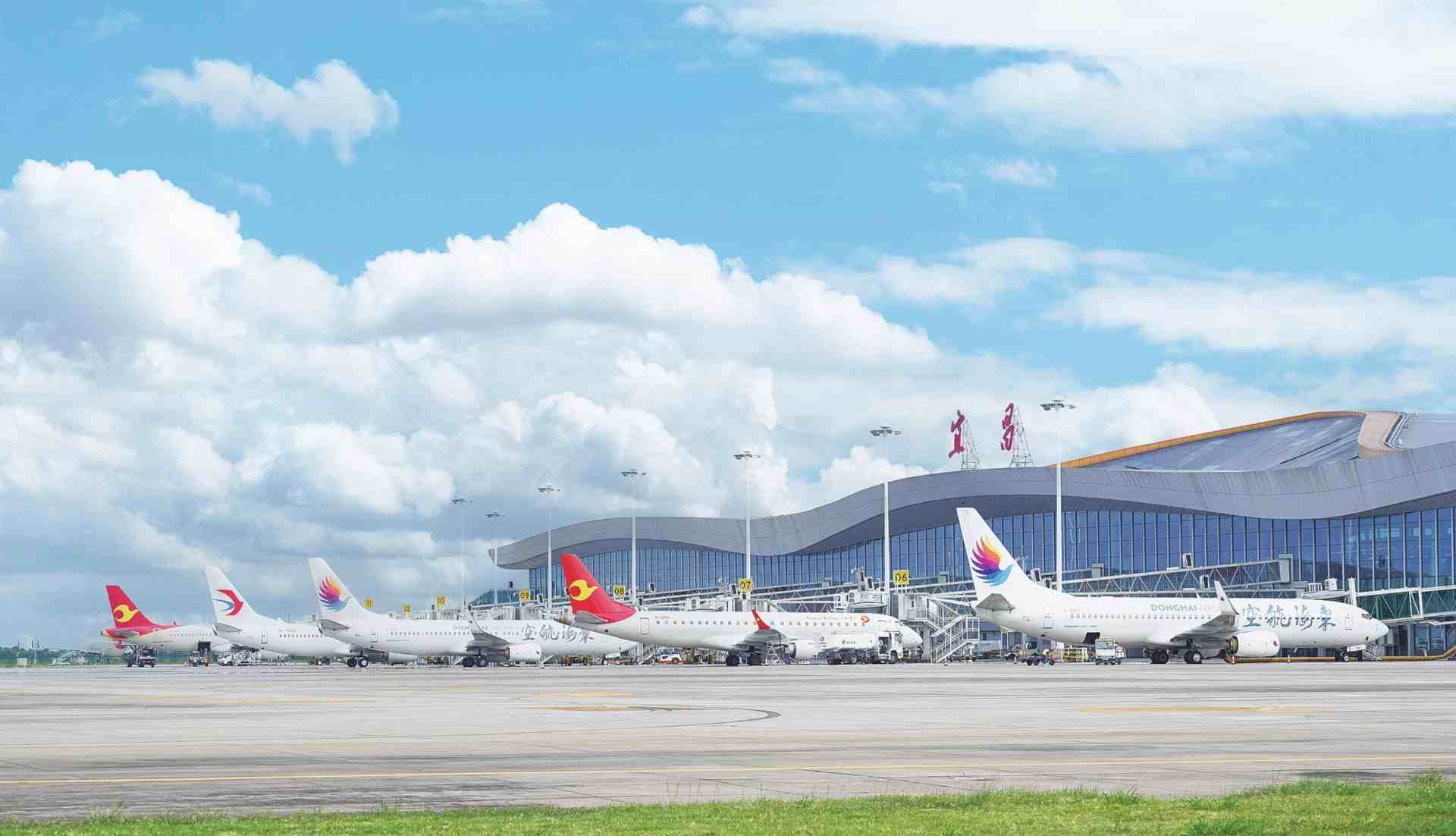
Computer Rooms
Computing environments where equipment reliability depends on stable ambient conditions. Often found in enterprise facilities, research institutions, and financial operations where controlled temperature directly supports system performance.
View Computer Room Solutions
Communication Facilities
Telecom and communication infrastructure spaces that run continuously and can't tolerate environmental variability. These environments often have strict uptime requirements that make HVAC reliability non-negotiable.
View Communication Facility Solutions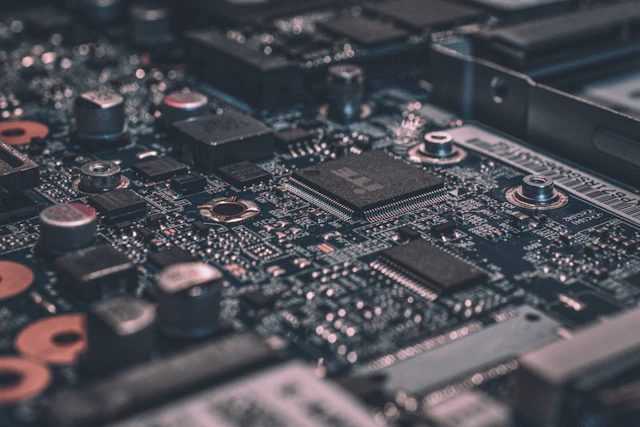
Network Equipment Rooms
Higher equipment density in a smaller footprint. The thermal challenge in network rooms is managing concentrated heat output from switches, routers, and active network hardware in spaces that weren't always designed with cooling as the primary constraint.
View Network Room Solutions
Technical Infrastructure Spaces
Edge computing nodes, control rooms, and equipment-intensive operational spaces connected to broader digital or industrial infrastructure. These environments are growing fast — and their HVAC needs are just as specialized as traditional data centers.
View Technical Space SolutionsWhat Do Data Center Buyers Actually Prioritize?
Honestly, the priorities we hear most consistently from customers working on data center projects aren't surprising — but the weight they assign to each one often is.
Temperature Stability
Cooling must hold steady enough to protect equipment reliability across varying load conditions. Not "close enough." Steady. ASHRAE's thermal guidelines exist precisely because even moderate temperature excursions compound over time into measurable reliability degradation.
Learn MoreAirflow Management
The best cooling unit in the world underperforms if the air doesn't reach the right places. Hot aisle/cold aisle containment, raised floor plenum design, and in-row cooling placement all depend on deliberate airflow strategy — not just sufficient CFM output.
Learn MoreOperational Continuity
In environments where an hour of downtime can cost tens of thousands of dollars, the HVAC system's ability to maintain performance without interruption isn't a feature. It's the baseline expectation.
Learn MoreApplication Suitability
A 500 kW hyperscale data hall and a 20-rack enterprise server room don't need the same cooling approach. The right solution matches room density, thermal load profile, and environmental sensitivity — not just square footage.
Learn MoreSystem Visibility and Control
You can't manage what you can't measure. Precision environments need monitoring, alerting, and control coordination that gives operators real-time visibility into thermal conditions and system performance.
Learn MoreLong-Term Reliability
The global data center cooling market is growing at a 22.3% CAGR through 2033 according to Grand View Research — which means the facilities being built and upgraded today need cooling strategies that hold up for years, not just commissioning day.
Learn MoreSongXin HVAC data center solutions are structured around all six of these priorities, so customers can build HVAC strategies that reflect how these environments actually operate — not how a spec sheet assumes they do.
Recommended HVAC Products for Data Center Projects
Different data center environments call for different product combinations. Here's how SongXin HVAC's product families map to real project requirements:
| Product Category | Primary Application | Key Benefit |
|---|---|---|
| Precision Cooling Systems | Data halls, server rooms, computer rooms | Tight thermal control at equipment level |
| Air-Side Equipment | All technical spaces | Organized airflow delivery and distribution |
| Control & Automation Solutions | Any precision environment | Monitoring, coordination, operational visibility |
| Chiller Systems | Larger facilities, centralized cooling | Facility-scale thermal management |

Precision Cooling Systems
Precision cooling is the category most directly associated with data center HVAC — and for good reason. These systems are engineered specifically for technical environments where stable environmental conditions are essential to equipment performance. Unlike comfort cooling, precision cooling units maintain tighter temperature and humidity tolerances, operate continuously, and are sized for sensible heat loads rather than mixed sensible/latent loads.
SongXin HVAC precision cooling solutions support data halls, server environments, computer rooms, and other technical spaces where standard comfort HVAC simply isn't sufficient.
View Data Center Precision Cooling Solutions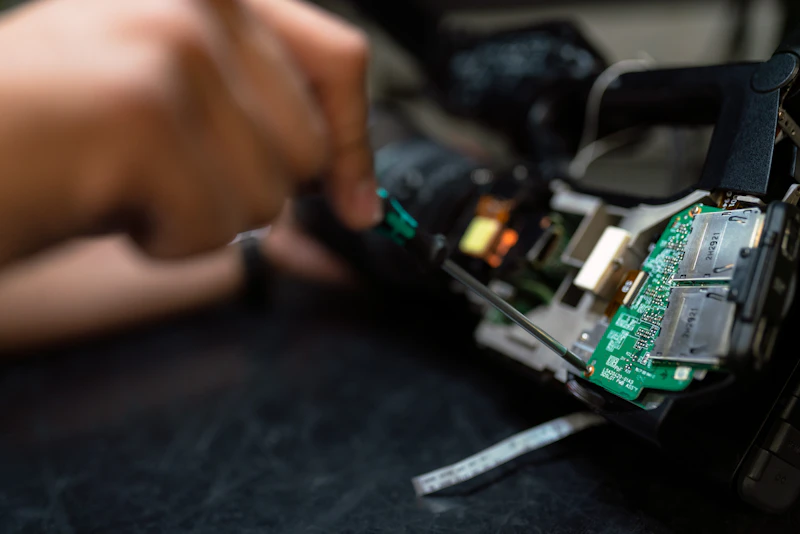
Air-Side Equipment
Cooling success in a data center depends on how air moves through the space, not just how much cold air gets produced. Air-side equipment — including air handling units, fan coil units, and airflow management components — determines whether conditioned air reaches equipment inlets at the right temperature and volume.
SongXin HVAC air-side products support organized airflow delivery and environmental control in technical facilities, creating a more complete cooling approach for spaces where airflow path planning is part of the thermal strategy.
View Data Center Airflow Solutions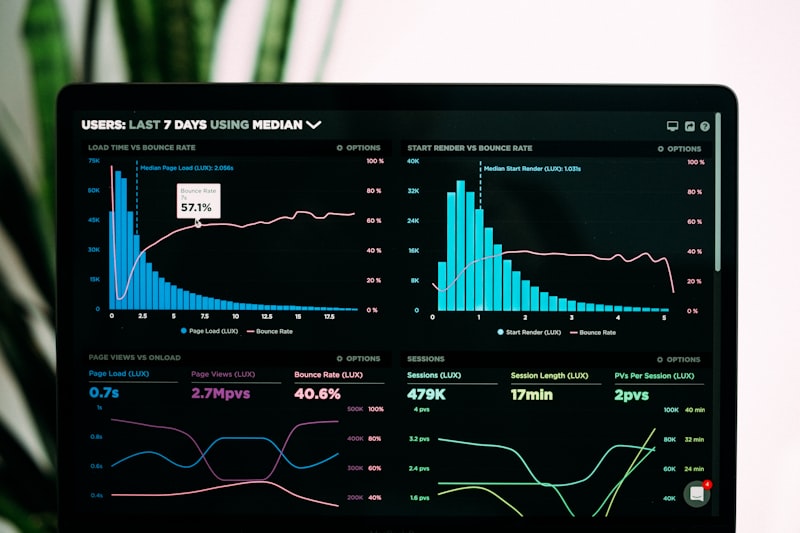
Control & Automation Solutions
Data center HVAC systems benefit from stronger monitoring and control because technical spaces require more visibility and faster response than standard buildings. The U.S. DOE's best practices guidance specifically highlights automated controls and real-time monitoring as key tools for maintaining energy efficiency and thermal reliability in data center environments.
SongXin HVAC control and automation solutions help customers build more manageable, more visible HVAC strategies for critical-use environments — especially where the system must respond consistently to changing operational loads.
View Data Center Control Solutions
Chiller Systems
Some data center projects are part of larger facilities where centralized cooling supports broader thermal planning. Chiller systems provide facility-scale cooling capacity that works alongside localized precision cooling equipment — handling base load thermal management while precision units handle room-level control.
SongXin HVAC helps customers evaluate centralized cooling support for data center and technical infrastructure projects where large-scale thermal coordination is part of the overall design.
View Centralized Data Center Cooling SolutionsWhy Buyers Choose SongXin HVAC for Data Center Projects
Critical-Infrastructure Solution Logic
Our data center solutions are structured around the actual thermal and operational requirements of data halls, server spaces, and technical environments — not adapted from general commercial cooling logic. That distinction matters when you're specifying equipment for a facility where HVAC failure has real operational consequences.
Learn MoreSpecialized Product Support
Precision cooling, air-side equipment, control solutions, and centralized cooling options — all aligned with digital infrastructure needs and available through a single, coordinated supplier relationship.
Learn MoreStrong Technical Relevance
The solution structure we've built reflects how data center HVAC actually works: as an integrated system where cooling units, airflow paths, and control logic need to work together. Not as a collection of independent products.
Learn MoreOperational Reliability Focus
With the data center cooling market projected to reach USD 128 billion by 2033, the facilities being built today need cooling strategies designed for long-term performance — not just initial commissioning. SongXin HVAC cooling strategies are developed with that long-term reliability requirement in mind.
Learn MoreExport-Oriented Cooperation
SongXin HVAC is structured to support distributors, contractors, and project buyers serving technical markets worldwide. Our platform is built for international cooperation — with the product range, documentation support, and technical communication that global data center projects require.
Learn MoreData Center HVAC Solutions That Also Support OEM / ODM Development
Data center HVAC is one of the strongest categories for OEM and ODM partners right now. The market is growing fast — the global data center cooling segment is on track to exceed USD 32 billion by 2032 according to MarketsandMarkets — and technical buyers in this space are actively looking for suppliers who understand precision environments, not just general commercial cooling.
SongXin HVAC supports OEM and ODM partners who want to build stronger data center-focused product offerings. Our structure helps partners develop more targeted positioning, stronger technical communication, and product platforms that reflect real infrastructure demand in digital and mission-critical sectors.
Discuss OEM / ODM Cooperation
Built for Distributors, Contractors, Operators, and Project Buyers
Different customers come to data center HVAC from different angles — and that's worth acknowledging directly.
A distributor expanding into technical markets needs a product range with clear positioning and strong application logic. A contractor specifying cooling for a critical-use room needs products that match the actual thermal requirements of the space. An operator managing an existing facility needs continuity, reliability, and visibility. A project buyer evaluating options for a new build needs a clear way to compare cooling strategies without wading through generic spec sheets.
SongXin HVAC data center solutions are designed to serve all four of these users — by making critical-environment HVAC logic easier to understand and by connecting product categories to real technical requirements. Not every customer needs the same answer. But every customer deserves a clear path to the right one.
Frequently Asked Questions
This page covers data halls, server rooms, computer rooms, communication facilities, network equipment rooms, edge computing spaces, and other technical infrastructure environments that require stable, precision-level cooling. If the space contains heat-generating equipment that operates continuously and can't tolerate significant temperature fluctuation, it falls within the scope of data center HVAC solutions. ASHRAE guidelines recommend server inlet temperatures between 18°C and 27°C for most IT environments.
Data center projects typically use precision cooling systems as the primary cooling solution, supported by air-side equipment for airflow organization, control and automation solutions for monitoring and management, and — in larger facilities — chiller systems for centralized thermal support. The right combination depends on room size, equipment density, heat load profile, and whether the facility uses raised floor, overhead, or in-row air delivery strategies.
Standard HVAC is designed for human comfort — typically within a tolerance range that's too wide for sensitive IT equipment. Data center HVAC must maintain tighter temperature and humidity control, support continuous 24/7 operation, and organize airflow deliberately around equipment heat loads rather than occupant comfort zones. The U.S. Department of Energy's 2024 Best Practices Guide identifies poor air management as a leading cause of localized IT overheating in data environments.
Yes. We work with distributors, contractors, and project buyers to evaluate technical spaces and suggest suitable HVAC directions based on equipment density, room conditions, airflow strategy, and cooling priorities. The starting point is usually understanding the heat load, the room layout, and whether the project needs localized precision cooling, centralized support, or a combination of both.
Absolutely. Data center HVAC is one of the strongest categories for OEM and ODM development because it serves specialized technical markets with growing and sustained demand. The global market is projected to grow from USD 19.8 billion in 2024 to over USD 50.9 billion by 2030, creating significant opportunity for partners who want to build a differentiated product platform in precision and mission-critical cooling.
Airflow management determines whether the cold air your cooling system produces actually reaches the equipment that needs it. Without deliberate airflow organization — hot aisle/cold aisle separation, containment strategies, proper plenum design — cold and hot air mix before reaching server inlets, forcing cooling units to work harder for worse results. The DOE's best practices guidance recommends implementing air management before raising supply air temperatures, because airflow organization is the foundation everything else builds on.
Precision cooling refers to HVAC equipment specifically engineered for technical environments where tight temperature and humidity control is essential. Unlike comfort cooling systems, precision units are designed for high sensible heat ratios, continuous operation, and close-coupled deployment near heat-generating equipment. The global precision air conditioning market for data centers was valued at USD 2.5 billion in 2024 and is growing steadily as rack densities increase and AI workloads drive higher thermal output per square meter.
Build a More Reliable Cooling Strategy for Data Center Environments
Whether you're planning a server room, specifying cooling for a data hall, upgrading a communication facility, or evaluating HVAC options for a broader technical infrastructure project — SongXin HVAC is ready to help you connect the right cooling products and system logic to your actual infrastructure requirements.
The data center cooling market is growing faster than almost any other HVAC segment. The facilities being built and upgraded right now need cooling strategies that hold up under real operational conditions — not just on paper. That's exactly what SongXin HVAC is built to deliver.