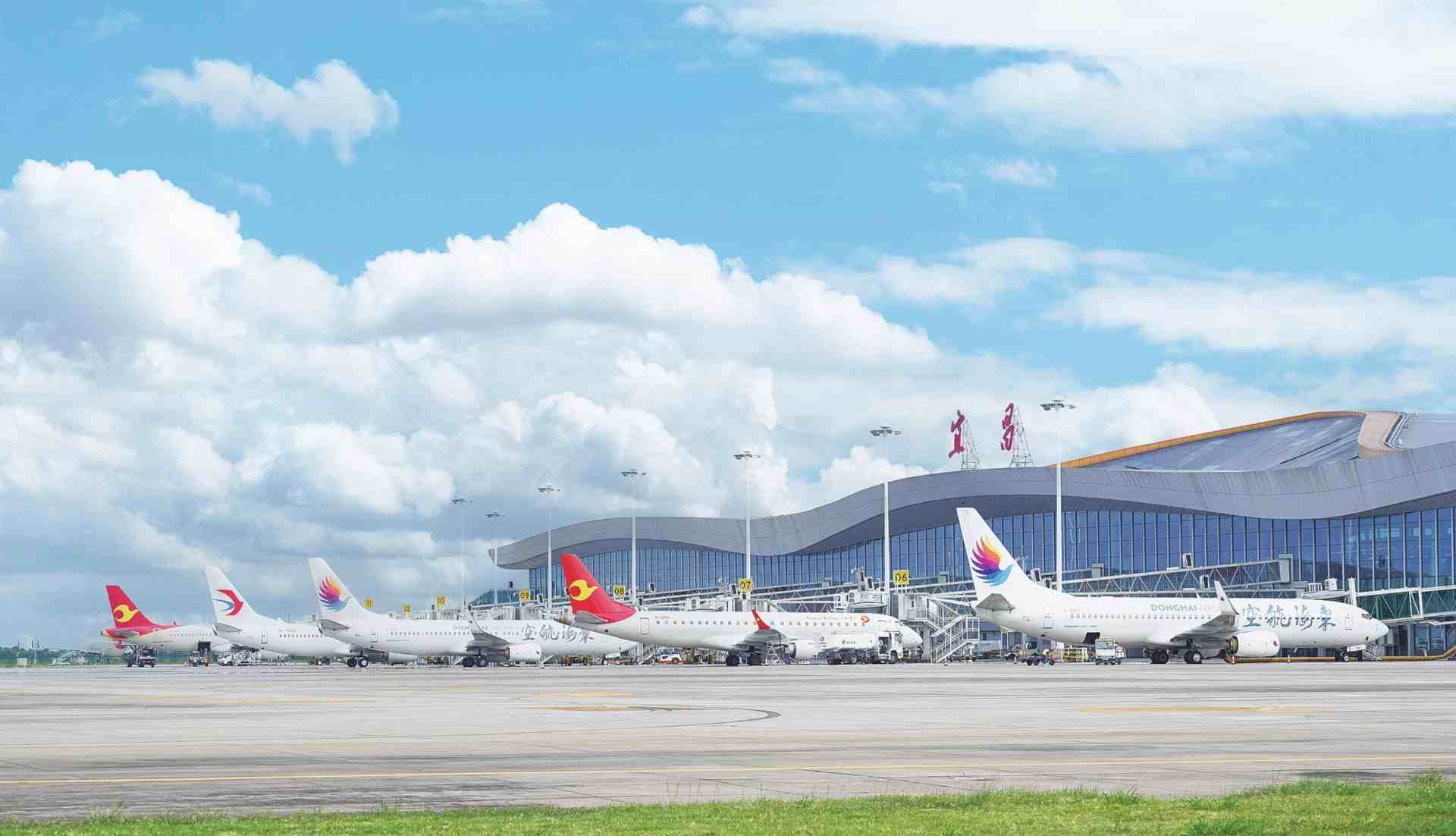
Urban transit and public infrastructure skyline
Infrastructure Project HVAC Solutions

Infrastructure Project HVAC Solutions for Public Facilities, Transit Environments, and Long-Term Operational Reliability

The U.S. municipal building construction market reached $240.2 billion in 2024 and is projected to exceed $303.1 billion by 2032. These public-use buildings need HVAC strategies built for decades of intensive operation.

SongXin HVAC supports transit stations, terminals, municipal buildings, utility facilities, and public service environments where dependable heating, cooling, ventilation, and lifecycle practicality are baseline requirements.

“Infrastructure HVAC is a different discipline: variable public occupancy, technical spaces with low tolerance for instability, and service life measured in decades. System strategy decisions at the start determine long-term building performance.” — SongXin HVAC Technical Solutions Team

Transit terminal interior
01 High Occupancy Variation
Municipal public building
02 Long Service Life
$240.2B → $303.1BMunicipal Market Growth
35%VRF Adoption in Commercial
Up to 34%VRF Energy Saving Potential
IBC 2024Ventilation & Smoke Updates
Why It Matters

Why HVAC Matters in Infrastructure and Public-Use Environments

Infrastructure buildings are not scaled-up commercial spaces. They have variable occupancy, operationally critical zones, and stricter ventilation and safety obligations.

In transit and civic buildings, HVAC is active infrastructure that directly affects service continuity, public comfort, and long-term operational outcomes.

Public terminal crowd flow environment
Transit interior context
$303.1B Municipal Market 2032
Project Types

What Infrastructure Project Types We Support

SongXin HVAC aligns cooling, ventilation, technical-space, and control strategies with public-use demand and long service-life expectations.

Transit stations
01 · Transit Stations

Rail, Metro & Bus

Rail, metro, bus, and intermodal environments with high occupancy fluctuation and continuous operation.

Terminals
02 · Terminals

Check-In to Arrivals

Check-in, departures, arrivals, concourses, and back-of-house spaces with diverse load patterns.

Municipal buildings
03 · Municipal Buildings

Civic & Community

Civic offices, service centers, and community facilities requiring dependable daily climate support.

Utility facilities
04 · Utility Facilities

Stable Technical Conditions

Water, power, and telecom-linked buildings where stable conditions support technical operations.

Public service centers
05 · Public Service Centers

Visitor & Staff Experience

Public-facing buildings where ventilation and comfort impact visitor experience and staff productivity.

Support spaces
06 · Support Spaces

Control & Operations

Control rooms and operational zones requiring environmental consistency and reliability.

Buyer Priorities

What Infrastructure Project Buyers Actually Prioritize

Buyers weigh operational reliability, ventilation quality, public comfort, system coordination, long-term practicality, and project suitability — especially where service cannot pause.

SongXin HVAC structures recommendations around these infrastructure realities and code-aligned expectations.

Operational Reliability

Consistent daily performance over long cycles; public facilities cannot pause service for frequent HVAC failure.

Ventilation & Air Distribution

Balanced airflow in large, varied spaces under high occupancy and code expectations.

Public Comfort

Stable indoor conditions for visitors and staff; directly affects perception and service quality.

System Coordination

Unified strategy across zones and functions where simultaneous, diverse demands coexist.

Long-Term Practicality

Manageable operation over decades; public investments carry 20–30 year operational horizons.

Project Suitability

Fit to actual use patterns; specialized buildings fail with generic HVAC logic.

Product Strategy

Which HVAC Products Work Best for Infrastructure Projects

Selection follows scale, zoning, ventilation, smoke strategy, and technical-space requirements — not catalog defaults.

Chiller Systems

Centralized cooling backbone for larger facilities with broad and continuous load distribution.

VRF Systems

Flexible zone-by-zone control for variable occupancy and mixed-use infrastructure spaces.

Air-Side Equipment

Ventilation, airflow management, and smoke-support integration in public-use buildings.

Control & Automation

Building-level visibility, demand response, diagnostics, and long-term operational coordination.

Precision Cooling

Tighter environmental control for technical rooms and equipment-sensitive spaces.

Centralized cooling plant context

How Centralized Cooling Works in Large Infrastructure Facilities

Central plant strategies provide scalability, maintenance consolidation, and stronger system coordination than dispersed equipment in large public buildings.

For terminals, municipal complexes, and utility-linked facilities, centralized cooling supports more organized long-term operation.

Large public atrium air movement

Why Ventilation Is Critical in Public Infrastructure Spaces

Public buildings with high occupancy cannot rely on natural ventilation under peak use. Mechanical systems carry full responsibility for indoor air quality and safety.

Fresh air rates, smoke strategy, filtration, and distribution design are core infrastructure requirements, not optional enhancements.

Technical room cooling infrastructure

HVAC for Technical Rooms and Infrastructure Support Spaces

Control rooms, switchgear spaces, and communications zones require tighter control, humidity awareness, and monitoring beyond comfort-conditioning standards.

Precision cooling and redundancy planning reduce operational risk where continuity is mission-critical.

Smart building operations dashboard

How Smart Control Improves Infrastructure HVAC Management

Automation enables building-wide monitoring, demand-responsive operation, fault detection, and preventive maintenance planning across complex public-use environments.

Better visibility and coordination help operators improve reliability and reduce long-term operating inefficiency.

Why SongXin HVAC

Why Buyers Choose SongXin HVAC for Infrastructure Projects

Customers need infrastructure logic that connects occupancy, ventilation, technical zones, and lifecycle planning — not generic commercial templates.

Public-Use Solution Logic

Recommendations begin with occupancy profile, facility function, ventilation need, and lifecycle reality.

Strong Product Coordination

Cooling, ventilation, technical spaces, and controls are aligned as one coherent strategy.

Long-Term Relevance

Built for 20–30 year service expectations and practical maintenance planning.

Broad Infrastructure Fit

Applicable across transit, municipal, utility, civic, and public-service project types.

Export-Oriented Cooperation

Structured support for international infrastructure procurement and delivery workflows.

Infrastructure partnership and planning
Strategy
Manufacturing
Manufacturing
Export logistics
Export
OEM / ODM

Does Infrastructure HVAC Support OEM / ODM Development?

Yes. Infrastructure HVAC is a strong OEM/ODM category with sustained demand from transit, municipal, utility, and civic-use projects.

SongXin HVAC supports partners building infrastructure-focused product portfolios with clearer technical positioning and stronger market communication.

Discuss OEM / ODM Cooperation
Who We Serve

Who SongXin HVAC Infrastructure Solutions Are Built For

Stakeholders evaluate infrastructure HVAC from market coverage, installation constraints, asset life, and procurement clarity.

Our narrative supports distributors, contractors, developers and owners, and project buyers with practical, comparable language.

Distributors

Identify growing infrastructure categories and portfolio-ready product directions.

Contractors

Match system combinations to public-use zones and technical environment requirements.

Developers & Owners

Balance usability, service life, compliance, and operational reliability over decades.

Project Buyers

Compare strategy options using practical infrastructure criteria rather than generic specs.

FAQ

Frequently Asked Questions

Transit stations, terminals, municipal buildings, utility facilities, public service centers, and infrastructure support spaces across both new-build and retrofit programs.

Chillers, VRF, air-side equipment, controls and automation, and precision cooling for technical spaces selected by scale and functional zoning needs.

They involve public accountability, long service life, variable occupancy, technical criticality, and stricter ventilation and safety obligations.

VRF can achieve meaningful efficiency gains and stronger zone control, with up to approximately 34% savings in many upgrade contexts compared with older systems.

Yes. We evaluate building type, occupancy flow, ventilation requirements, and lifecycle priorities to recommend suitable product paths.

Yes. SongXin HVAC supports partners building specialized infrastructure-focused HVAC product portfolios for public-use markets.

Technical spaces need tighter temperature and humidity control, redundancy, and monitoring to prevent faults from escalating into service-impacting failures.

Get Started

Ready to Build a Reliable Infrastructure HVAC Strategy for Decades of Use?

Whether you are planning a transit station, municipal facility, public service center, or utility-linked building, SongXin HVAC helps match cooling, ventilation, technical-space, and control strategies to real operational needs.

Infrastructure facility interior
Public building operation area
Urban infrastructure skyline