
How VRF Enables Flexible Multi-Zone HVAC
VRF supports independent zone operation, staged indoor-unit additions, and layout changes with less reconstruction burden.
It is structurally suited to phased and mixed-use building realities.

The global VRF market reached $19.25 billion in 2024 and is projected to grow rapidly through 2030–2031. This reflects a structural shift toward phased construction, mixed-use planning, and adaptive building operation.
SongXin HVAC modular solutions are built for projects where flexibility, staged deployment, and long-term adaptability are core project requirements — not optional features.
“Modern buildings change. HVAC must change with them. Modular strategies protect thermal performance while preserving project flexibility across development phases.” — SongXin HVAC Technical Solutions Team


Fixed-system planning assumes static occupancy and static layouts. Modern projects are often phased, mixed-use, and continuously reconfigured.
Modular HVAC aligns thermal strategy with real development timelines through staged capacity deployment, zone-level flexibility, and scalable controls.


SongXin HVAC supports phased, mixed-use, and adaptive environments where scalable thermal delivery is a project requirement.

Commission by phase and expand HVAC with occupancy growth.

Serve different zone loads and schedules without thermal compromise.
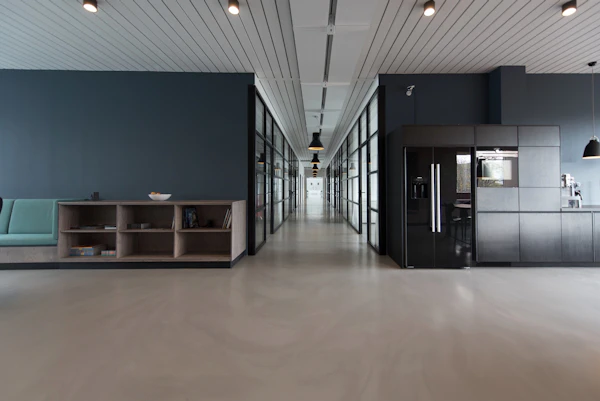
Adapt to tenant turnover and layout reconfiguration with less disruption.

Support staged renovation and independent wing operation.
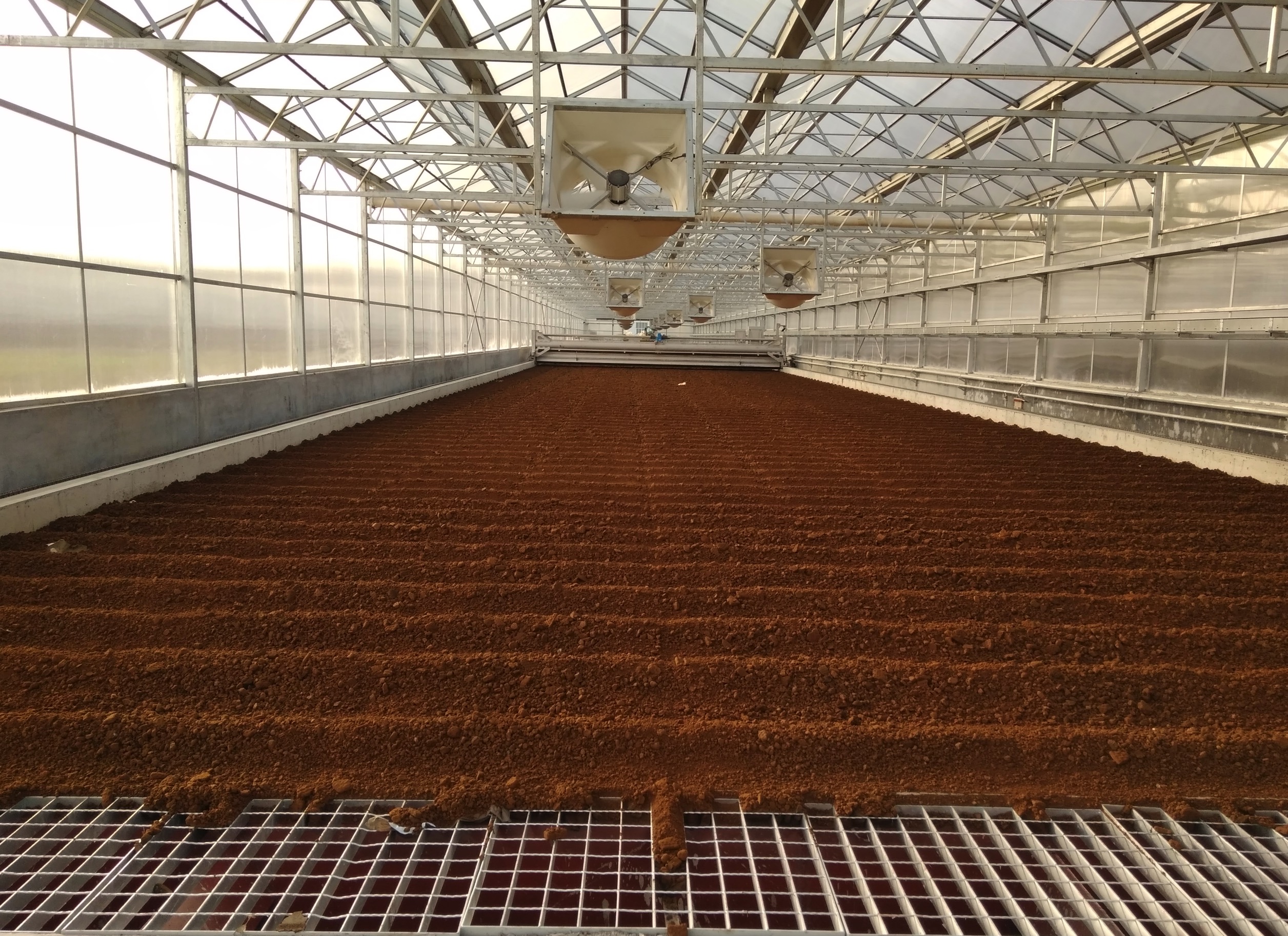
Scale with expansion programs over long public-use lifecycles.

Adapt system configuration as operational requirements evolve.
Buyers weigh scalability, installation flexibility, adaptability, space utilization, system coordination, and long-term practicality.
Add capacity in stages as the project grows; avoid early oversizing and late undersizing penalties.
Adapt to layout and site constraints; reduces friction in phased and constrained builds.
Reconfigure as tenancy and use patterns evolve; protects HVAC investment after commissioning.
Compact and distributed equipment deployment preserves rentable and usable floor area.
Multi-product strategy under one logic prevents fragmented operation as the system expands.
Maintainable and cost-effective over time; modularity must stay an advantage at scale.
Strong modular outcomes combine VRF zoning, modular air handling, packaged deployment, heat pump platforms, and scalable controls.
Multi-zone independent control with staged expansion and heat-recovery flexibility.
Section-based air handling that scales with project and ventilation demand.
Fast-deploy, self-contained support for early phase or isolated zone operation.
Scalable heating and cooling platform aligned with low-carbon development direction.
The layer that turns staged equipment into one coherent, expandable system.
VRF supports independent zone operation, staged indoor-unit additions, and layout changes with less reconstruction burden.
It is structurally suited to phased and mixed-use building realities.

In multi-phase and expansion-driven projects, section-based AHUs allow staged growth without full unit replacement.
This improves lifecycle practicality in complex building evolutions.

Packaged solutions provide fast operational readiness for early phases, supplemental zones, and isolated-use conditions.
They are practical deployment tools in time-sensitive project workflows.

Scalable controls allow phased commissioning, integrated coordination, and performance visibility as equipment count grows.
Without this layer, modular equipment often becomes operationally fragmented.
Customers need modular logic that connects phasing, product combinations, and controls — not one-size equipment lists.
Starts from phasing, future change, and real layout evolution.
VRF, modular AHU, packaged, heat pump, and control categories aligned.
Applicable across commercial, hospitality, institutional, and mixed-use contexts.
Designed to remain practical through full build-out and later adaptation.
Structured support for global project-based HVAC delivery needs.


Yes. Modular HVAC aligns with long-term construction trends and phased deployment realities across major building sectors.
SongXin HVAC supports partners building specialized modular product platforms with clearer technical and commercial positioning.
Discuss OEM / ODM CooperationStakeholders evaluate modular HVAC from channel growth, installation sequencing, asset agility, and procurement clarity.
Our narrative supports distributors, contractors, developers, and project buyers with practical, comparable language.
Build category depth across high-growth modular HVAC opportunities.
Plan staged commissioning and scalable controls from day one.
Improve delivery agility, tenant responsiveness, and asset adaptability.
Compare HVAC strategies by lifecycle flexibility and project practicality.
Phased construction, mixed-use developments, commercial projects, hospitality renovations, institutional expansions, and technical spaces with evolving requirements.
VRF, modular AHU, packaged systems, heat pumps, and scalable control platforms.
Modular planning assumes change and phased growth; fixed planning assumes static layout and static demand.
It supports zone independence, staged additions, and flexible reconfiguration with reduced reconstruction impact.
Start with full-build-out logic, then stage equipment and controls to match each commissioning phase.
Yes. We evaluate phasing timeline, use profile, zoning needs, and lifecycle goals to recommend suitable paths.
Yes. SongXin HVAC supports partners building specialized modular HVAC portfolios for global markets.
Whether you are planning phased construction, mixed-use deployment, or a flexible commercial environment, SongXin HVAC helps align product architecture with real development conditions.

